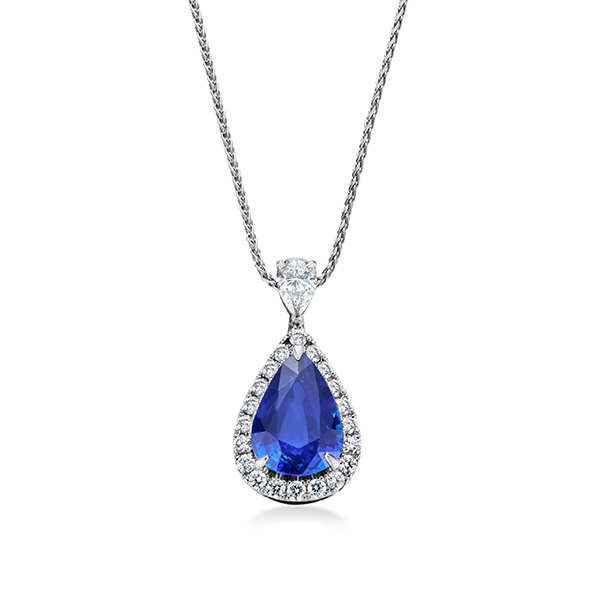
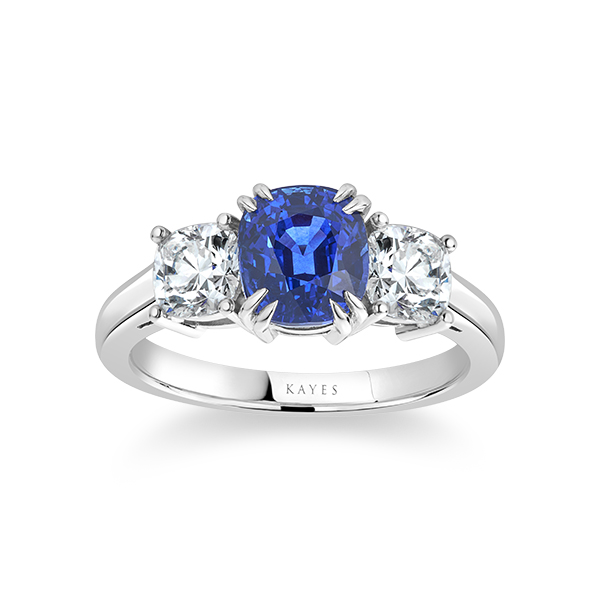
Few gemstones are a instantly recognisable as a blue sapphire. Yet, if you look beyond the traditional deep blue shade, sapphires are remarkably varied. From pale almost icy blues and softer cornflower shades to intense royal blues, as well as pink, yellow, green and purple.
As September’s birthstone, sapphire is particularly celebrated at this time of year, but its appeal extends far beyond tradition. Treasured for centuries, sapphire combine durability with a wide variety of colour, making it as suited to an engagement ring, as it is to a special piece of fine jewellery.
And perhaps, more interestingly, no two are ever quite the same. Understanding what gives a sapphire its colour, quality and value can make choosing your own all the more interesting.
Sapphire is a variety of the mineral corundum. It measures 9 on the Mohs scale of hardness, second only to diamonds at 10.
There is a close relationship between sapphire and another of the world’s best known gemstones, ruby. Both are varieties of Corundum. When the mineral is red, it is classified as ruby, other colours are generally classified as sapphire.
While every gemstone should be treated with care, sapphires durability means its a good choice for rings and other pieces intended to be worn regularly.
Long before becoming associated as the September birthstone, Sapphire has been treasured for centuries.
Throughout history, the gemstone has been associated with qualities including loyalty, sincerity and wisdom. It’s deep hue also gave sapphire particular significance among royalty, appealing in important jewels and ceremonial pieces across Europe.
Queen Victoria received a sapphire and diamond brooch from Prince Albert on the eve of their wedding in 1840 and wore it on her wedding day. She later designated the piece an heirloom of the Crown.
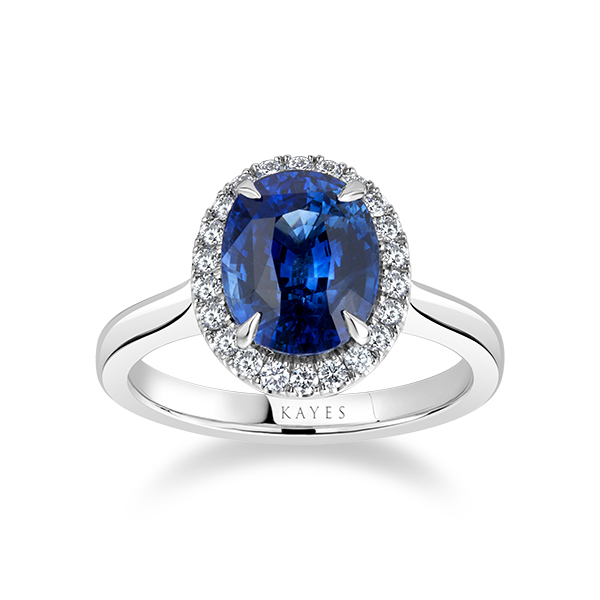
Perhaps the most recognisable sapphire engagement ring today is the oval blue sapphire surrounded by diamonds chosen by Diana, Princess of Wales, in 1981 and now worn by Catherine, Princess of Wales. It’s distinctive design helped renew interest in sapphire engagement rings and remains one of the most recognisable pieces of Royal jewellery.
The appeal of Sapphires extends far beyond famous examples. Antique and vintage jewellery show just how creatively the gemstone has been used throughout different historical periods. From richly coloured Victorian pieces to bold geometric sapphire and diamond designs associated with the Art Deco era.
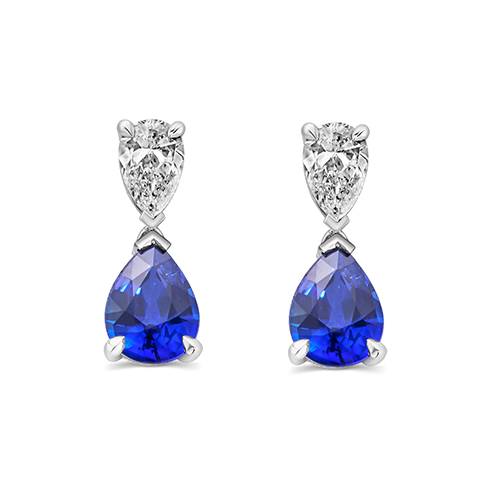
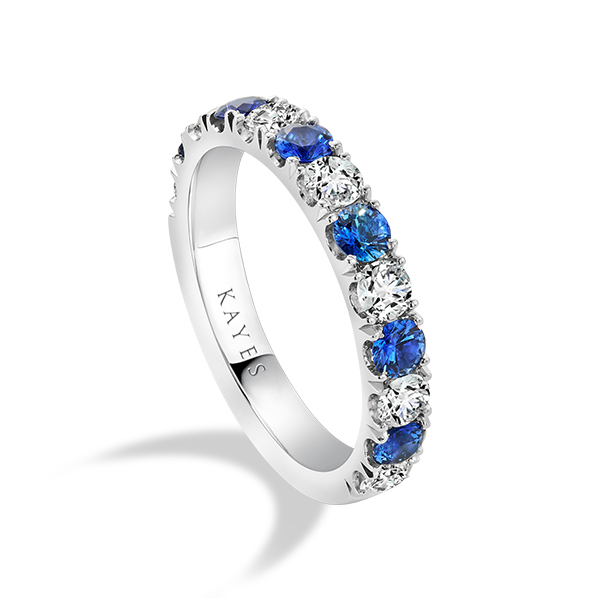
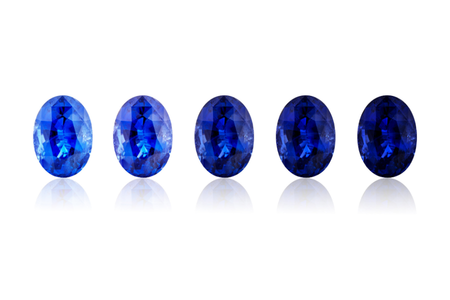
There is also enormous variation within blue sapphires. Some have a light fresh blue appearance, others have a softer tone, often described as cornflower blue. At the other end of the spectrum are richly saturated royal and deep blues.
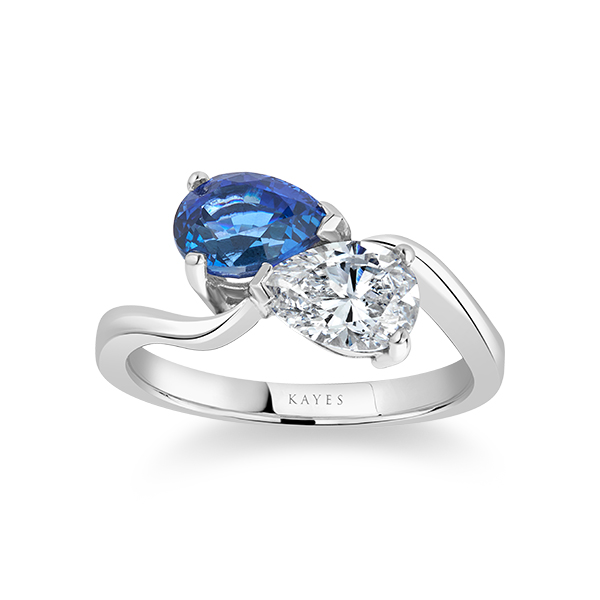
There are also sapphires that display more than one colour. Parti Sapphires contain distinct areas fo different colours within a single stone, often combinations of blue, green and yellow.
This wide variety of colours and hues is one of the many pleasures of choosing a sapphire. The difference between to stones can be quite subtle on paper, yet immediately apparent when they are viewed side by side.
Unlike diamonds where the 4Cs provide a familiar framework for comparison, assessing a coloured gemstone can be rather more nuanced. Colour, clarity, cut, carat weight, origin, certification and treatment can all contribute to the quality of a sapphire. Of these, colour is often one of the most important factors and can have the greatest influence on a sapphires value.
When assessing colour, three elements are considered; hue, tone and saturation. Put more simply, these describe the actual colour of the stone, how light of dark it appears and the intensity of that colour. A fine sapphire will usually have an attractive even colour, while retaining enough brightness and life to prevent the stone from appearing overly dark.
Personal preference is a major consideration too, some people are immediately drawn to a vivid royal blue, while others prefer a softer or lighter shade of blue.
Sapphires are found in several parts of the world, including Sri Lanka, Madagascar, Myanmar and Australia, while Kashmir is historically associated with some exceptionally rare sapphires.
You may also hear the term Ceylon sapphire. This refers to sapphires originating from Sri Lanka, formerly known as Ceylon, which has been an important source of sapphires for centuries.
Different locations can produce stones with distinctive characteristics, although it is important not to assume that origin alone determines quality. Certain origins can command considerable premiums when dealing with rare and exceptional stones, particularly where provenance can be independently established. For most buyers, however, the beauty and quality of the individual sapphire should remain at the heart of the decision.
For someone considering an alternative to a diamond engagement ring, sapphire is one of the most practical coloured gemstones to consider. Its hardness makes it suitable for regular wear, while its natural variation offers considerable scope for choosing something individual. There are also many ways to design around the stone.
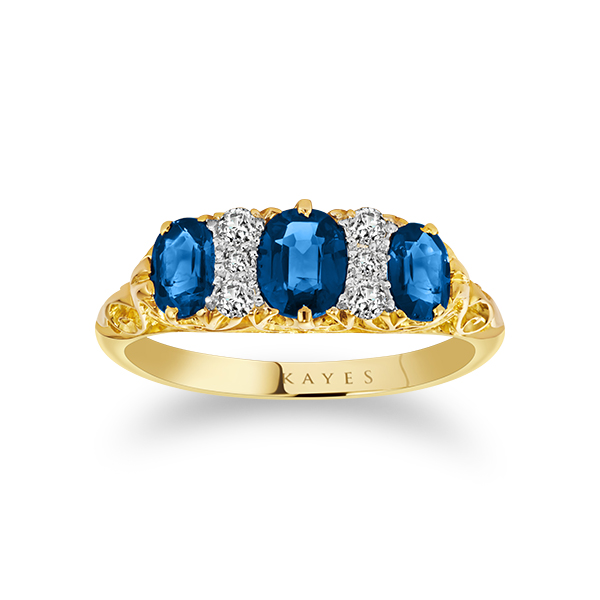
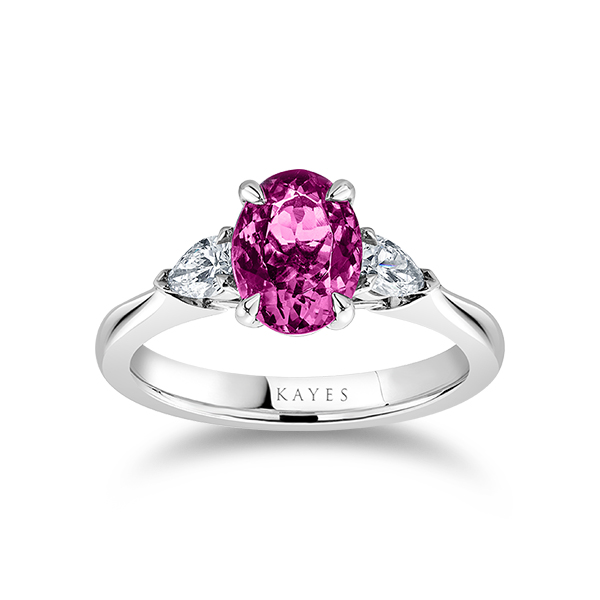
A sapphire can form the centre of a traditional three-stone ring, be surrounded by diamonds in a classic cluster or halo, or sit within a simpler contemporary setting. Yellow gold can bring warmth to a blue sapphire, while platinum or white gold creates a cooler contrast.
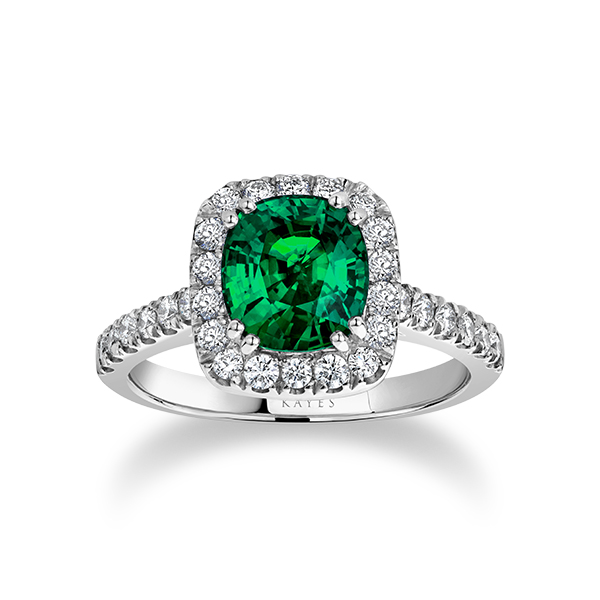
And, of course, an engagement ring doesn't have to feature a blue sapphire at all. Pink, yellow and other fancy sapphires can provide a more unexpected alternative while retaining the durability that makes sapphire so well suited to an engagement ring.
Its long association with loyalty and fidelity gives the gemstone an additional significance, but ultimately the greatest appeal is its individuality.
Do you prefer a rich, intense blue or something lighter? Do you want the symmetry of an oval or round stone, the clean lines of an octagonal cut? Is rarity important to you, or is finding a particular colour your priority? These can often be more useful questions than deciding on a carat weight before you begin.
We also recommend viewing sapphires in different lighting where possible. As with many coloured gemstones, their appearance can change subtly according to the light around them.
Most importantly, compare stones. Place two or three sapphires alongside one another and differences that seem difficult to understand from a description become much easier to see. One may have a slightly brighter blue, another a richer depth of colour. Quite often, one will simply stand out.
Choosing a sapphire is as much about appreciating the individual gemstone as it is understanding its specifications.
One of the great attractions of sapphires, is that choosing one can be such a personal process.
Two stones may have the same shape and similar specifications yet look entirely different when placed alongside one another. Understanding those differences and deciding which matter to you, is where expert guidance can be particularly valuable.
At Kayes Jewellers in Chester, we can guide you through the different colours, cuts and characteristics of sapphires, whether you are choosing a piece of sapphire jewellery or looking for the right gemstone around which to create something bespoke.
Rather than beginning with a specification alone, we can help you compare individual stones and find the sapphire that has the colour, character and presence you are looking for. Whether it is to mark a September birthday, create an engagement ring or simply because you have always loved sapphires, the right stone should ultimately be one you want to keep looking at.
Visit our Chester Showroom or book an appointment with our team to discover sapphire jewellery and discuss creating a bespoke piece of your own.